
Planning and Legal Requirements For Demolition
Understanding demolition regulations in Bristol is essential for any construction project. Learn about the six-week notice requirement to Bristol City Council, the necessity of obtaining full planning permission, and the technical approvals needed for projects that may impact nearby highways. Ensuring compliance with these regulations helps avoid legal complications and fines. This guide outlines the crucial steps for successfully navigating the demolition process in Bristol.
Do I need a permit to demolish my building in Bristol?
Before undertaking any demolition in Bristol, it is crucial to be aware of the regulations set forth by Bristol City Council. One of the primary requirements is to provide at least six weeks’ notice to the council’s building control.
This notice allows the council time to assess the proposed demolition and any potential implications.
Obtaining Necessary Permissions
In addition to notifying the council, you may need to apply for full planning permission before proceeding with demolition. This is particularly important if the structure is listed or if it occupies a sensitive location. Ensuring that all planning permissions are obtained is essential to avoid legal complications and potential fines.
Technical Approvals for Highway Implications
If the demolition project could affect nearby highways, you will also require technical approval from the council. This process ensures that any disruption to the transportation network is properly managed, minimizing the impact on the surrounding area.
Always consult with the council’s building control to understand the specific requirements relevant to your demolition project.
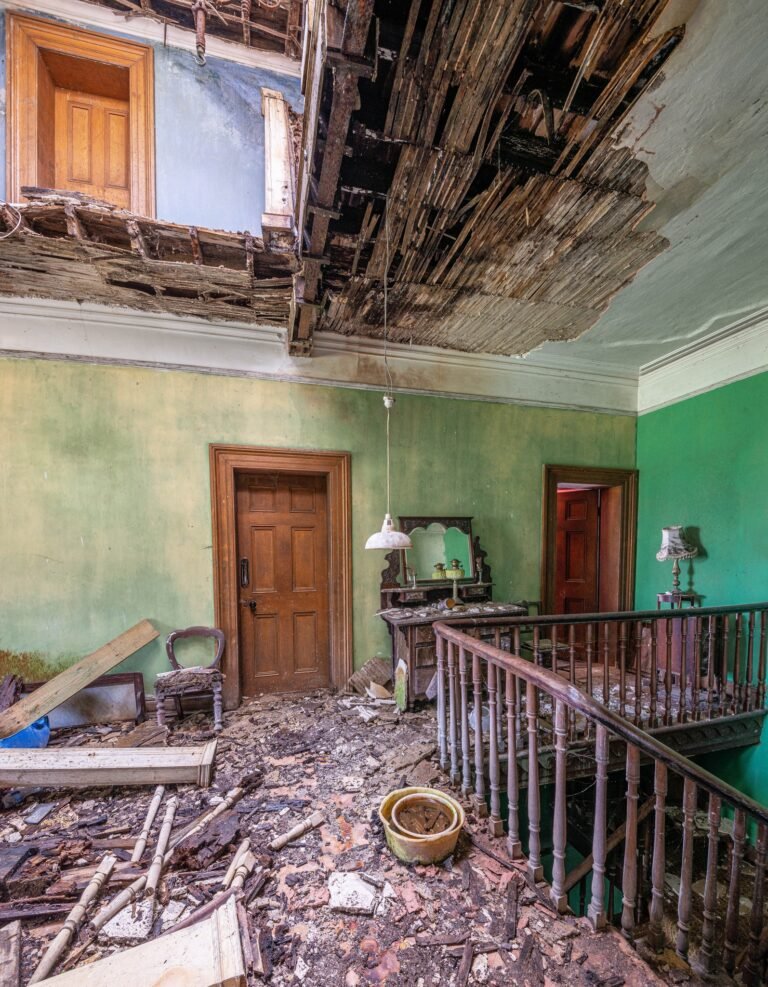
Additional Demolition Planning Steps
Understanding the Building Notice Requirement
Before initiating any demolition work, it is crucial to adhere to the regulatory requirements outlined by Bristol City Council. One significant aspect is the necessity to provide at least six weeks’ written notice to the council’s building control department. This notice period allows the council the opportunity to assess the proposed demolition, ensuring that all parties remain compliant with local regulations.
Building Regulations Under the Building Act 1984
The demolition of any building, or part of a building, must comply with the Building Act 1984. This Act lays down the legal framework for building safety and standards in the UK. To proceed with any demolition work, you must complete a building regulations application. This application is essential, as it guarantees that your project will meet the necessary safety criteria and environmental standards.
Importance of Compliance
Ensuring compliance with the notice period and building regulations is imperative for several reasons. Firstly, it protects public safety by promoting responsible demolition practices. Secondly, it prevents potential legal issues and fines that may arise from non-compliance. Lastly, following these regulations fosters good relationships with local authorities and the community, showcasing your commitment to safe and respectful building practices.
General Rule on Demolition
In most cases, you do not need planning permission to demolish a building. This guideline simplifies the process for property owners and developers alike. However, it is vital to understand that there are exceptions to this general rule that may require obtaining planning permission.
When Planning Permission is Required
While demolition is often straightforward, certain circumstances necessitate full planning permission. You will need it if the building is located in a conservation area. Conservation areas are designated to preserve historic and architectural significance, thus making any alterations, including demolition, subject to stricter regulations.
Additionally, specific types of buildings—such as concert halls, theatres, or live music venues—may also require planning permission for demolition to help protect cultural heritage. Listed buildings, recognized for their architectural or historical interest, are another category requiring special attention; demolishing these buildings typically mandates approval due to their heritage value.
Special Cases Requiring Permission
In some situations, if a building has been rendered unsafe or uninhabitable due to the actions of a person with an interest in the land, planning permission may be necessary before proceeding with demolition. Lastly, demolishing statues, memorials, or monuments often demands specific permissions due to their significance.
Hence, always check local regulations before commencing any demolition project to ensure compliance and avoid potential legal issues. Understanding these stipulations can save you time and resources, making the process smooth and efficient.
Understanding Listed Buildings and Necessary Permissions
When planning a demolition project involving listed buildings, it is vital to understand that listed status imposes specific restrictions. If a building is listed, obtaining listed building consent is a legal requirement before executing any demolition, alteration, or extension that could potentially affect its historical character.
Addressing Highway Implications
In addition to listed building consent, it’s crucial to consider highway implications. If your proposed demolition might impact adjacent highway structures, such as bridges or retaining walls, you may need to seek technical approval from Bristol City Council. This step ensures that any potential risks to public safety or structural integrity are effectively managed.
Developing a Detailed Demolition Plan
A comprehensive demolition plan is essential for ensuring the smooth execution of your project. This plan should prioritize the safety of adjacent properties, incorporating provisions for temporary supports or weatherproofing where necessary. Furthermore, adherence to the guidelines laid out in the British Standard BS 6187:2011, the code of practice for full and partial demolition, is crucial. Following these established protocols not only aids in safeguarding surrounding structures but also enhances compliance and efficiency throughout the demolition process.
Understanding the Importance of Utility Disconnection
Before commencing any structural work during building demolition in Bristol, it is crucial to ensure that all utilities are safely disconnected. This step is paramount to prevent accidents and ensure the safety of workers and bystanders alike. Disconnection of water, gas, electricity, and telecommunications are critical safety measures that form the foundation of a successful demolition project.
Contacting Utility Companies
To initiate the disconnection process, either you or your appointed demolition contractor must reach out to the relevant utility companies. This includes arrangements for the permanent disconnection and removal of supply lines. Engaging with these companies ahead of time can streamline the demolition process, allowing for a safer and more efficient workflow.
Appointing a Demolition Contractor
Many local Bristol demolition firms offer comprehensive services, such as ‘enabling works’ or ‘soft strip’ services, which often encompass managing the utility disconnection process. These professionals will liaise with various utility providers to ensure all services are decommissioned safely, mitigating potential risks associated with unregulated utilities during demolition.
Key Utility Providers in Bristol
Several key utility providers are essential contacts for disconnections in the Bristol area. For water services, reach out to Bristol Water at +44(0)117 966 5881. To disconnect gas and electricity, you will need to contact your specific energy supplier and the local distribution network operator (DNO) for assistance. Additionally, telecommunications providers like BT Openreach are available to disconnect phone and internet lines.

Planning and Legal Requirements
Before undertaking any demolition in Bristol, it is crucial to be aware of the regulations set forth by Bristol City Council. One of the primary requirements is to provide at least six weeks’ notice to the council’s building control.

Section 80 Demolition Notice
Section 80 demolition notice is a formal notification mandated by the Building Act 1984. This notice is required for the intended demolition of a building, or part of a building, with a cubic content exceeding 50 cubic metres.

Demolition Risk Management
Before any demolition work begins, detailed assessments are mandatory. These evaluations identify potential hazards, underpin safety measures, and determine the most appropriate demolition methods.
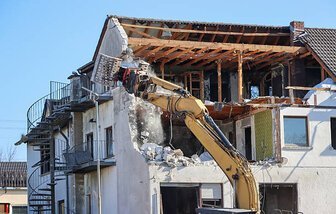
House Demolition Costs
For a small detached house, which is generally around 80-120 m², you can expect to pay an average of £7,500. The price may increase if the house is larger or if additional services, such as site clearance and waste disposal, are required.

Pre-Demolition Surveys
They adhere to regulatory compliance, ensuring that the risks associated with asbestos are managed effectively. A thorough understanding of hazardous materials is essential for the safety of both the workers and the environment.
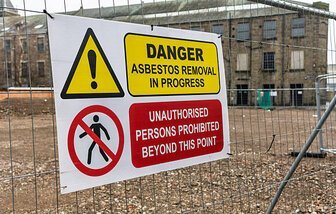
Managing Asbestos In Demolition
Asbestos, when disturbed, can pose severe health risks, making it essential to identify and manage it appropriately before any demolition work begins. This involves conducting comprehensive pre-demolition surveys to pinpoint the presence
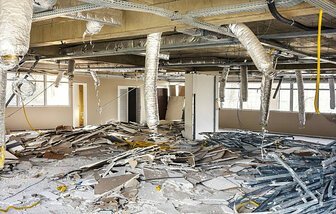
Safety Protocols In Demolition
To prepare for a successful demolition, extensive advance planning is crucial. This involves assessing the site and making informed decisions about the methods and equipment required.
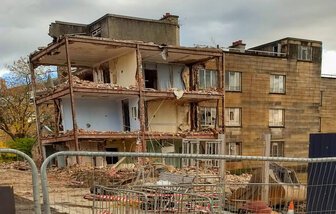
Pre-Demolition Process
To prepare for a successful demolition, extensive advance planning is crucial. This involves assessing the site and making informed decisions about the methods and equipment required.
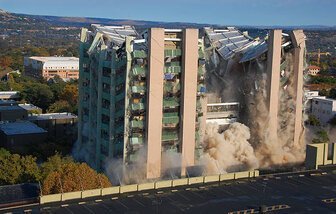
How long does the demolition process take?
For smaller residential structures, such as typical houses, the total time for demolition usually ranges from one to two weeks. This relatively short timeframe covers not only the physical demolition but also includes preparatory and post-demolition activities.
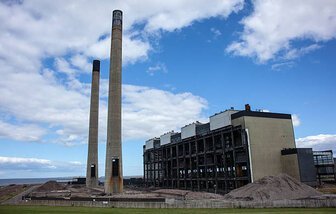
When do the CDM Regulations apply?
The Construction (Design and Management) Regulations, commonly referred to as CDM Regulations, play a crucial role in ensuring safety within the construction sector.
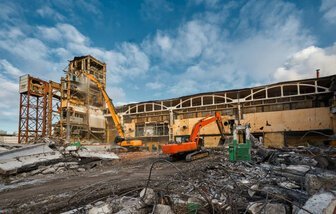
Demolition Methods Explained
One of the prevalent demolition methods used in Bristol is soft stripping. This process entails the careful removal of non-structural elements such as fixtures, fittings, and finishes. By stripping a building of its superficial components before heavy machinery is introduced, soft stripping
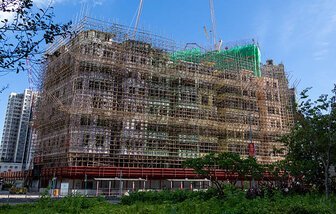
Managing Waste In Demolition
The UK’s waste hierarchy encourages efficient waste management, prioritizing prevention, reuse, and recycling. By adhering to these principles, businesses can minimize their environmental impact and contribute to a circular economy.
Ready to start your project?
Let's Work Together
If you’re looking to initiate a project, you’re in the right place. To get started, please complete the form provided below. Share your project details, and our dedicated team will review your requirements promptly. Our goal is to offer tailored solutions that cater specifically to your needs.
Once we receive your submission, you will receive a confirmation email. We encourage you to check all your email boxes to ensure you don’t miss our response. Our team is committed to promptly reviewing your project details, whether it involves a small-scale endeavor or a large-scale development.
Direct Submissions for Faster Quotes
If you already have a project in mind and would like to receive a direct price quote, please feel free to send us your project documents and any relevant photographs at projects@completeuk.uk. We will meticulously evaluate these documents and provide you with a competitive quote along with a clear timelines for the entire process—from inception to completion.