
Understanding the Cost to Demolish a House in Bristol
Are you considering a house demolition in Bristol? Understand the costs involved, which typically range from £6,500 to over £20,000, based on the size and type of your property. Factors such as building materials and the presence of hazardous materials can significantly influence the final price. For accurate estimates, it's essential to get multiple quotes from reputable demolition contractors. This guide covers everything you need to know about house demolition costs in Bristol, helping you make informed decisions for your demolition project.
Overview of House Demolition Costs in Bristol
The cost to demolish a house in Bristol typically ranges from £6,500 to over £20,000. The final price you will pay for demolition depends on various factors including the size of the property, the type of building materials used, and whether hazardous materials are present. It’s crucial to consider these elements to obtain an accurate estimation.
Factors Influencing Demolition Prices
For a small detached house, which is generally around 80-120 m², you can expect to pay an average of £7,500. The price may increase if the house is larger or if additional services, such as site clearance and waste disposal, are required.
Larger houses, particularly those spanning 200-250 m², may average around £20,000, emphasizing the variance in costs depending on size and complexity.
Getting Accurate Estimates
When considering the cost to demolish a house in Bristol, obtaining multiple quotes from reputable demolition contractors is advisable. These professionals will take into account the size of the property, the materials involved, and other local factors to provide a detailed quote.
This approach not only helps you understand the potential expenses but also exposes you to different services and options within your budget.
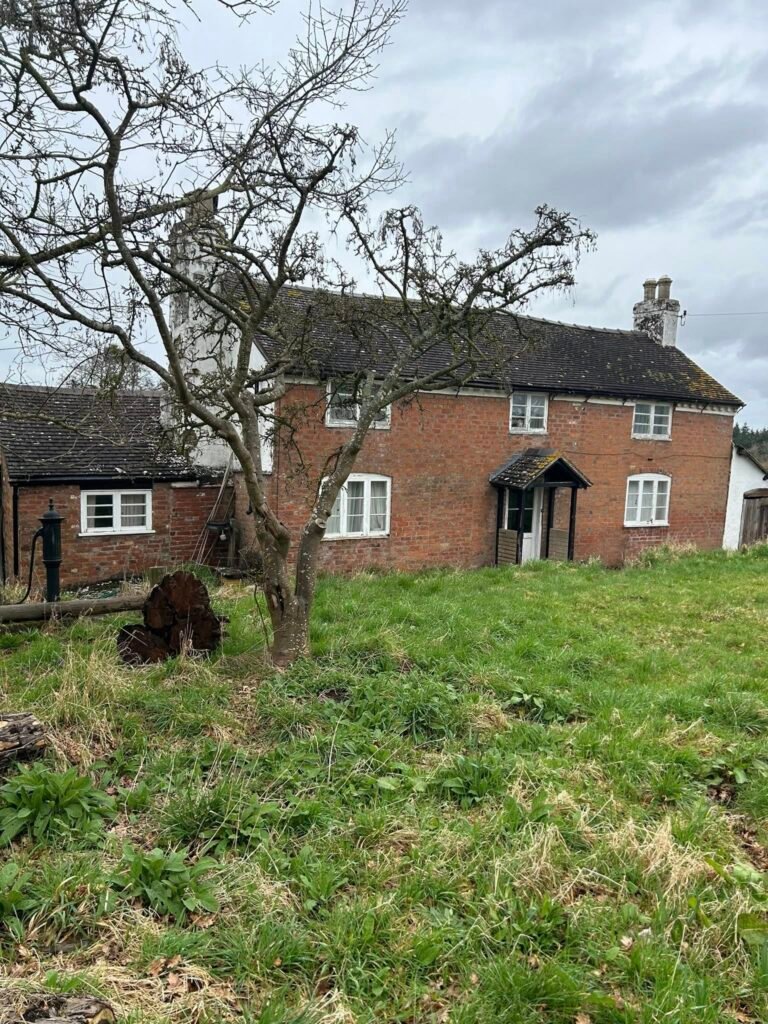
Key Cost Factors To Consider For House Demolition
Overview of Demolition Costs
Demolishing a property involves various factors that dictate both the complexity and cost of the project. One of the primary considerations is the size and type of the property. Larger properties typically require more labor and equipment, which can escalate costs significantly. Additionally, the approach to demolition varies between different types of buildings, thereby influencing the overall expense.
Challenges with Semi-Detached and Terraced Houses
Demolishing semi-detached or terraced houses presents unique challenges compared to standalone properties. These structures often share walls with neighboring buildings, which necessitates special care to support the adjoining properties during the demolition process. This requirement not only complicates the demolition but also leads to increased labor and equipment costs, further impacting the budget.
Negotiating Party Wall Agreements
Another critical aspect to consider is the need for party wall agreements when demolishing properties that are joined to other buildings. Engaging in these negotiations can add an additional layer of complexity and expense to the project. It is essential to understand local laws and regulations regarding party walls to ensure compliance and avoid potential legal disputes, which can also contribute to project costs.
The Importance of Asbestos Surveys
Asbestos is a hazardous material that has been linked to severe health risks, including lung diseases and cancer. Due to these dangers, the presence of asbestos in buildings and materials must be evaluated before any renovation or demolition work begins. To ensure safety, a mandatory asbestos survey is vital and typically costs between £200 and £600. This survey assesses the presence and condition of asbestos to guide further actions.
Understanding the Costs of Asbestos Removal
If asbestos is discovered during the survey, it is crucial to address the issue immediately. Asbestos removal can be a considerable financial investment, with specialist removal services ranging from £1,500 to £8,000, depending on the extent of the contamination and the complexity of the removal process. It is advisable to budget for these expenses when planning construction or renovation projects involving older buildings.
Making Informed Decisions
Having a detailed understanding of asbestos and the associated costs for surveys and removal can empower property owners and investors to make informed decisions. Prioritizing the safety and integrity of structures will not only ensure compliance with health regulations but also protect individuals from potential hazards related to asbestos exposure. Investing in a professional survey and, if necessary, proper removal, is a responsible choice that can ultimately save lives and reduce legal liabilities.
The Importance of Site Accessibility
Site accessibility is crucial for any construction or renovation project. Restricted or tight access can dictate how effectively machinery and skip lorries can operate on-site, which in turn affects the overall project timeline and budget. Assessing the accessibility of a site before work begins is a key step in project planning.
How Restricted Access Affects Labour Costs
When machinery and skip lorries face challenges due to limited access, it often leads to an increase in labour costs. Workers may need to spend more time navigating equipment in and out of the site, and additional personnel may be required for tasks that could typically be handled with easier access. This not only prolongs the project but also raises labour expenses significantly.
Managing Costs with Effective Planning
To mitigate the increased transport costs associated with restricted site access, careful planning is essential. Conducting a thorough site assessment before the commencement of a project can help identify potential accessibility issues. Appropriately scheduling deliveries and considering alternative machinery that can operate in tighter spaces can also be beneficial. By proactively addressing these concerns, you can maintain control over logistics and budget, ultimately ensuring a smoother project execution.
Overview of Waste Disposal Costs
Waste disposal is a significant consideration for both businesses and households. Costs can quickly accumulate, with disposal and landfill fees typically ranging from £2,000 to £5,000. Understanding these expenses is crucial for effective waste management.
The Importance of Recycling
Recycling materials such as bricks, concrete, and metal can play a vital role in mitigating these costs. By diverting recyclable materials from general waste, individuals and organizations can potentially lower their disposal fees. This not only supports sustainability efforts but also contributes to significant savings.
Strategies for Reducing Landfill Fees
To offset disposal costs, it is essential to implement efficient waste segregation practices. Identify recyclable materials and ensure they are sorted correctly. Many local authorities and recycling centers offer resources and guidelines on best practices for recycling various materials, thereby making the entire process smoother and more efficient.
In conclusion, incorporating recycling into waste disposal strategies not only helps reduce overall costs but also fosters a more sustainable approach to managing waste. By acknowledging the impact of landfill fees and actively seeking ways to recycle, we can contribute positively to our environment while also managing our financial responsibilities more effectively.
What Are Utility Disconnections?
Before any major renovation or construction work begins, it is essential to disconnect all utility services such as gas, electricity, and water. This ensures the safety of workers and the integrity of the structure being renovated. Utility disconnections are not merely a precaution; they are a legal requirement in many regions.
Why It Matters
Having utilities disconnected can add an additional cost of approximately £500 to £1,500 per service. While this might seem expensive, improper management of utilities can lead to serious hazards, including fires or flooding during construction. Therefore, investing in professional disconnections is vital to ensure compliance and safety.
The Importance of Hiring Professionals
Attempting to disconnect utilities without professional help can lead to dangerous situations and possibly greater expenses. Skilled specialists ensure that all services are safely and effectively terminated, thus minimizing risks. Moreover, they are well-versed in local regulations and requirements, which can help avoid potential fines or legal complications.
In conclusion, adding utility disconnections as part of your renovation planning is crucial. The cost, while significant, is a necessary investment to protect both the property and the people involved in the project. Always engage professional services to ensure a smooth and safe disconnection process.
The Importance of a Section 80 Demolition Notice
A vital step in the demolition process is submitting a Section 80 demolition notice to your local authority, such as Bristol City Council. This notice must be submitted for any proposed demolition work and serves to inform the council of your intentions. Failure to submit this notice can lead to penalties or delays in your project.
Guidelines for Submitting Your Notice
When preparing to submit your Section 80 demolition notice, ensure that you comply with all the local guidelines set by the council. This includes providing detailed information about the site and the type of demolition intended. Depending on the specifics of the project, additional permissions may also be needed. It’s advisable to consult with your local authority early in the planning process to avoid any misunderstandings.
In summary, while demolition projects in Bristol may often be regarded as permitted development, the necessity of a Section 80 notice cannot be overlooked. By understanding and following the regulations, you can proceed confidently with your demolition project.

Planning and Legal Requirements
Before undertaking any demolition in Bristol, it is crucial to be aware of the regulations set forth by Bristol City Council. One of the primary requirements is to provide at least six weeks’ notice to the council’s building control.

Section 80 Demolition Notice
Section 80 demolition notice is a formal notification mandated by the Building Act 1984. This notice is required for the intended demolition of a building, or part of a building, with a cubic content exceeding 50 cubic metres.

Demolition Risk Management
Before any demolition work begins, detailed assessments are mandatory. These evaluations identify potential hazards, underpin safety measures, and determine the most appropriate demolition methods.
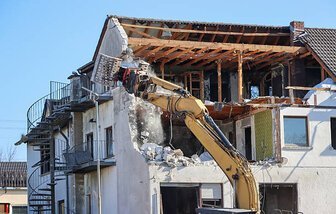
House Demolition Costs
For a small detached house, which is generally around 80-120 m², you can expect to pay an average of £7,500. The price may increase if the house is larger or if additional services, such as site clearance and waste disposal, are required.

Pre-Demolition Surveys
They adhere to regulatory compliance, ensuring that the risks associated with asbestos are managed effectively. A thorough understanding of hazardous materials is essential for the safety of both the workers and the environment.
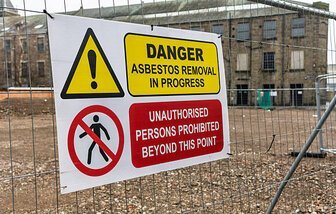
Managing Asbestos In Demolition
Asbestos, when disturbed, can pose severe health risks, making it essential to identify and manage it appropriately before any demolition work begins. This involves conducting comprehensive pre-demolition surveys to pinpoint the presence
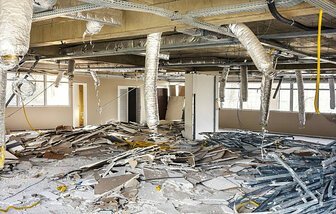
Safety Protocols In Demolition
To prepare for a successful demolition, extensive advance planning is crucial. This involves assessing the site and making informed decisions about the methods and equipment required.
Pre-Demolition Process
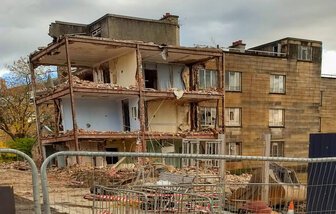
To prepare for a successful demolition, extensive advance planning is crucial. This involves assessing the site and making informed decisions about the methods and equipment required.
How long does the demolition process take?
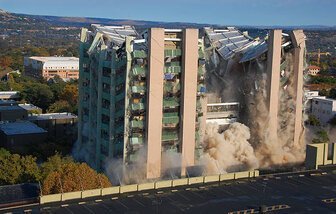
For smaller residential structures, such as typical houses, the total time for demolition usually ranges from one to two weeks. This relatively short timeframe covers not only the physical demolition but also includes preparatory and post-demolition activities.
When do the CDM Regulations apply?
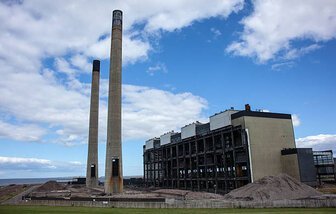
The Construction (Design and Management) Regulations, commonly referred to as CDM Regulations, play a crucial role in ensuring safety within the construction sector.
Demolition Methods Explained
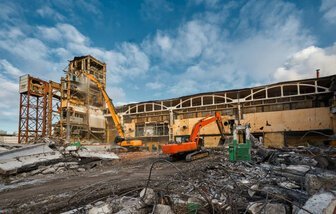
One of the prevalent demolition methods used in Bristol is soft stripping. This process entails the careful removal of non-structural elements such as fixtures, fittings, and finishes. By stripping a building of its superficial components before heavy machinery is introduced, soft stripping
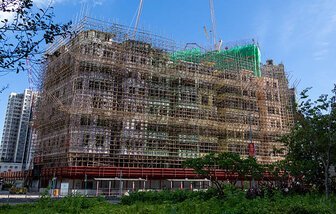
Managing Waste In Demolition
The UK’s waste hierarchy encourages efficient waste management, prioritizing prevention, reuse, and recycling. By adhering to these principles, businesses can minimize their environmental impact and contribute to a circular economy.
Ready to start your project?
Let's Work Together
If you’re looking to initiate a project, you’re in the right place. To get started, please complete the form provided below. Share your project details, and our dedicated team will review your requirements promptly. Our goal is to offer tailored solutions that cater specifically to your needs.
Once we receive your submission, you will receive a confirmation email. We encourage you to check all your email boxes to ensure you don’t miss our response. Our team is committed to promptly reviewing your project details, whether it involves a small-scale endeavor or a large-scale development.
Direct Submissions for Faster Quotes
If you already have a project in mind and would like to receive a direct price quote, please feel free to send us your project documents and any relevant photographs at projects@completeuk.uk. We will meticulously evaluate these documents and provide you with a competitive quote along with a clear timelines for the entire process—from inception to completion.