
Essential Guide to Demolition Risk Management in Bristol
Understanding demolition risk management is crucial for ensuring safety in deconstruction activities in Bristol. This guide delves into key considerations such as environmental factors, structural stability, and local regulations. By implementing effective risk mitigation strategies, including clear communication among stakeholders and regular safety audits, demolition projects can minimize hazards and protect workers and the community. Learn more about how to manage demolition risks effectively to foster a safer working environment.
Understanding Demolition Risk Management
Demolition risk management in Bristol is a critical process regulated by stringent guidelines. It ensures that all demolition projects are executed safely and responsibly. Professionals in this field must navigate complex regulations that aim to protect both the public and the environment.
Importance of Detailed Assessments
Before any demolition work begins, detailed assessments are mandatory. These evaluations identify potential hazards, underpin safety measures, and determine the most appropriate demolition methods.
Engaging accredited professionals is essential, as they possess the expertise to conduct thorough inspections and devise effective planning strategies that align with UK health and safety legislation.
Adherence to Health and Safety Legislation
The cornerstone of demolition risk management lies in strict compliance with the UK’s health and safety legislation, including the Construction (Design and Management) Regulations (CDM).
These regulations provide a framework for planning, managing, and monitoring the health and safety aspects of demolition projects. By adhering to these standards, contractors can minimize risks and safeguard workers during the demolition process.
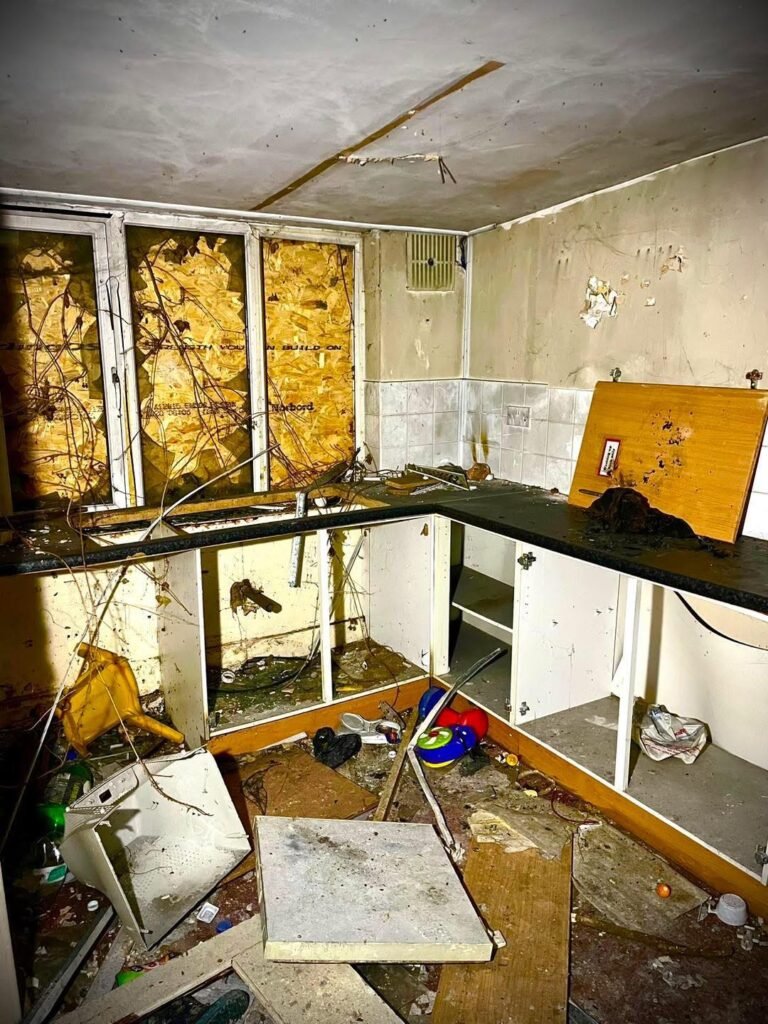
Key Aspects of Demolition Risk Management
Introduction to CDM Regulations
In the UK, all demolition work falls under strict regulatory compliance as outlined by the Construction (Design and Management) Regulations, commonly referred to as CDM Regulations. These regulations aim to ensure that health and safety considerations are integral to the planning and execution of construction-related tasks.
The Role of Principal Designer and Principal Contractor
When multiple contractors are involved in demolition projects, the appointment of a Principal Designer and a Principal Contractor becomes necessary. The Principal Designer is responsible for coordinating health and safety during the design phase, ensuring that safety measures are integrated into the project from the start. Conversely, the Principal Contractor manages health and safety during the construction phase, promoting effective collaboration among all parties involved.
Notification Requirements to Local Authorities
In adherence to the Building Act of 1984, it is critical for project managers to notify the local authority’s building control department at least six weeks before commencing demolition work. This advanced notice is crucial for ensuring that all regulatory compliance measures are adequately reviewed and approved, thereby minimizing legal complications and fostering a safer working environment.
In conclusion, understanding and implementing the necessary regulatory compliance measures is vital in the demolition process in the UK. By appointing the correct leaders and promptly notifying local authorities, projects can proceed smoothly while adhering to the legally mandated requirements. Always prioritize safety to protect workers and the surrounding community.
Importance of Comprehensive Site Assessments
Before embarking on any physical demolition work, conducting a thorough site assessment is paramount. This process serves as the foundation for ensuring not only the safety of the workers but also the integrity of surrounding structures. A detailed structural analysis is a key component of this assessment, allowing teams to identify weak points and plan a sequence of demolition that mitigates the risk of unexpected collapses.
Hazardous Materials and Environmental Risks
Conducting hazardous materials surveys is essential in demolition projects, particularly concerning asbestos. Asbestos refurbishment and demolition surveys must be executed by qualified professionals, adhering to the Control of Asbestos Regulations 2012. Furthermore, it’s crucial to identify environmental risks, such as contaminated land, which could necessitate specialized remediation efforts.
Developing a Comprehensive Risk Management Plan
In addition to structural considerations, performing thorough risk assessments is vital. These assessments should highlight potential hazards including falls from height, fire, noise, dust, and vibration. After identifying these risks, appropriate mitigation strategies must be implemented to safeguard workers and the environment. Lastly, a robust demolition management plan should be developed, incorporating detailed method statements (RAMS), effective waste management strategies, and comprehensive environmental considerations to promote a safe demolition process.
Understanding Controlled Demolition Methods
Demolition contractors must utilize controlled methods such as mechanical demolition, deconstruction, and selective demolition to minimize risk associated with hazardous environments. These narrowly focused techniques are designed to ensure that the demolition process is efficient while safeguarding surrounding properties, personnel, and the public.
Implementing Safety Measures
Safety is paramount during demolition projects. Effective execution requires the use of personal protective equipment (PPE) for workers, combined with edge protection and secured scaffolding to prevent accidents. Regular inspections help maintain compliance with safety standards and mitigate potential hazards, providing a trustworthy environment for all involved.
Addressing Environmental Concerns
During demolition, managing dust, noise, and vibration is crucial. Contractors implement water sprays to control dust, erect sound barriers to minimize noise, and perform vibration monitoring to protect nearby structures. Furthermore, responsible waste management practices, including recycling materials and compliant disposal of hazardous waste, are essential to reducing environmental impact.
The Importance of Professional Demolition Companies
When it comes to demolition projects, whether they are residential or commercial, engaging specialized contractors is crucial. The significant risks associated with demolition work necessitate hiring professional, accredited demolition companies. Only these companies have the expertise to handle complex demolition tasks while ensuring safety and compliance with local regulations.
Why Accreditation Matters
Accreditation from recognized industry bodies, such as CHAS, SMAS, and UKATA, is essential when selecting a demolition contractor in Bristol. Companies certified by these organizations demonstrate a commitment to safety standards and regulatory compliance. This commitment not only protects workers but also local communities from potential hazards during the demolition process.
Local Options for Demolition Services
Bristol is home to various reputable demolition companies that meet these rigorous accreditation requirements. For instance, Complete Demolition stands out with its proven track record and certified professionals. Choosing a local company like Complete Demolition not only promotes community business but also ensures that you are working with a team that understands local regulations and standards, thereby reducing risks associated with the demolition activities.

Planning and Legal Requirements
Before undertaking any demolition in Bristol, it is crucial to be aware of the regulations set forth by Bristol City Council. One of the primary requirements is to provide at least six weeks’ notice to the council’s building control.

Section 80 Demolition Notice
Section 80 demolition notice is a formal notification mandated by the Building Act 1984. This notice is required for the intended demolition of a building, or part of a building, with a cubic content exceeding 50 cubic metres.

Demolition Risk Management
Before any demolition work begins, detailed assessments are mandatory. These evaluations identify potential hazards, underpin safety measures, and determine the most appropriate demolition methods.
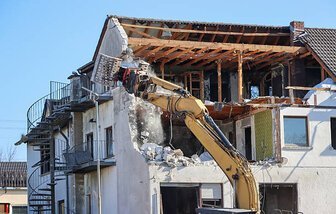
House Demolition Costs
For a small detached house, which is generally around 80-120 m², you can expect to pay an average of £7,500. The price may increase if the house is larger or if additional services, such as site clearance and waste disposal, are required.

Pre-Demolition Surveys
They adhere to regulatory compliance, ensuring that the risks associated with asbestos are managed effectively. A thorough understanding of hazardous materials is essential for the safety of both the workers and the environment.
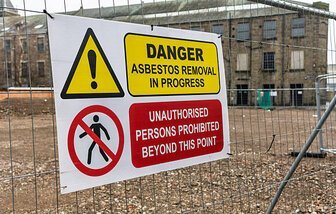
Managing Asbestos In Demolition
Asbestos, when disturbed, can pose severe health risks, making it essential to identify and manage it appropriately before any demolition work begins. This involves conducting comprehensive pre-demolition surveys to pinpoint the presence
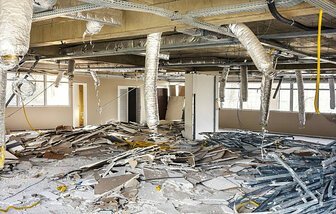
Safety Protocols In Demolition
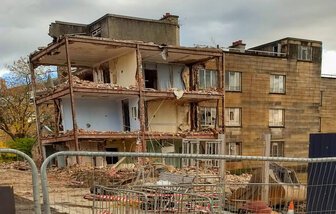
To prepare for a successful demolition, extensive advance planning is crucial. This involves assessing the site and making informed decisions about the methods and equipment required.
Pre-Demolition Process
To prepare for a successful demolition, extensive advance planning is crucial. This involves assessing the site and making informed decisions about the methods and equipment required.
How long does the demolition process take?
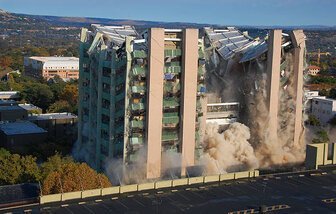
For smaller residential structures, such as typical houses, the total time for demolition usually ranges from one to two weeks. This relatively short timeframe covers not only the physical demolition but also includes preparatory and post-demolition activities.
When do the CDM Regulations apply?
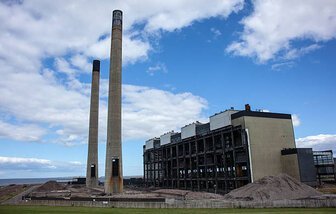
The Construction (Design and Management) Regulations, commonly referred to as CDM Regulations, play a crucial role in ensuring safety within the construction sector.
Demolition Methods Explained
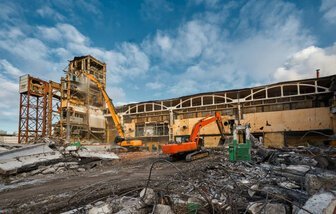
One of the prevalent demolition methods used in Bristol is soft stripping. This process entails the careful removal of non-structural elements such as fixtures, fittings, and finishes. By stripping a building of its superficial components before heavy machinery is introduced, soft stripping
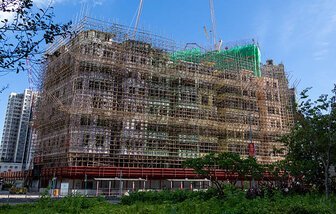
Managing Waste In Demolition
The UK’s waste hierarchy encourages efficient waste management, prioritizing prevention, reuse, and recycling. By adhering to these principles, businesses can minimize their environmental impact and contribute to a circular economy.
Ready to start your project?
Let's Work Together
If you’re looking to initiate a project, you’re in the right place. To get started, please complete the form provided below. Share your project details, and our dedicated team will review your requirements promptly. Our goal is to offer tailored solutions that cater specifically to your needs.
Once we receive your submission, you will receive a confirmation email. We encourage you to check all your email boxes to ensure you don’t miss our response. Our team is committed to promptly reviewing your project details, whether it involves a small-scale endeavor or a large-scale development.
Direct Submissions for Faster Quotes
If you already have a project in mind and would like to receive a direct price quote, please feel free to send us your project documents and any relevant photographs at projects@completeuk.uk. We will meticulously evaluate these documents and provide you with a competitive quote along with a clear timelines for the entire process—from inception to completion.