
Effective Strategies for Managing Demolition Waste in Bristol
Understanding demolition techniques is crucial for effective project planning in Bristol's construction industry. This article explores various methods such as soft stripping, mechanical dismantling using heavy machinery, and manual techniques for precision operations. It highlights the importance of selecting the appropriate method, including specialized techniques like concrete cutting and top-down demolition for high-rise buildings, ensuring safety and efficiency during the demolition process. Discover how these approaches lay the groundwork for safer, cleaner job sites and optimized demolition operations.
Understanding the Importance of Waste Management
Managing demolition waste in Bristol is crucial for both environmental sustainability and compliance with legal regulations.
The UK’s waste hierarchy encourages efficient waste management, prioritizing prevention, reuse, and recycling. By adhering to these principles, businesses can minimize their environmental impact and contribute to a circular economy.
Compliance with the UK’s Waste Hierarchy
In Bristol, managing demolition waste must align with the UK’s waste hierarchy, which emphasizes reducing waste at the source, followed by reuse, recycling, and recovery.
By hiring licensed waste management companies, contractors can ensure their waste is handled responsibly and in compliance with local regulations.
These companies possess the necessary expertise to manage different types of waste, ensuring that hazardous materials are disposed of properly.
Creating a Site Waste Management Plan (SWMP)
A critical element of managing demolition waste is the creation of a Site Waste Management Plan (SWMP). This document outlines how waste produced during the demolition process will be managed.
It should identify the types of waste expected, methods for reducing waste, and clear strategies for segregation and disposal. An effective SWMP not only keeps demolition projects organized but also ensures compliance with legal requirements, ultimately leading to a more sustainable approach to waste management in Bristol.

Planning and Legal Requirements
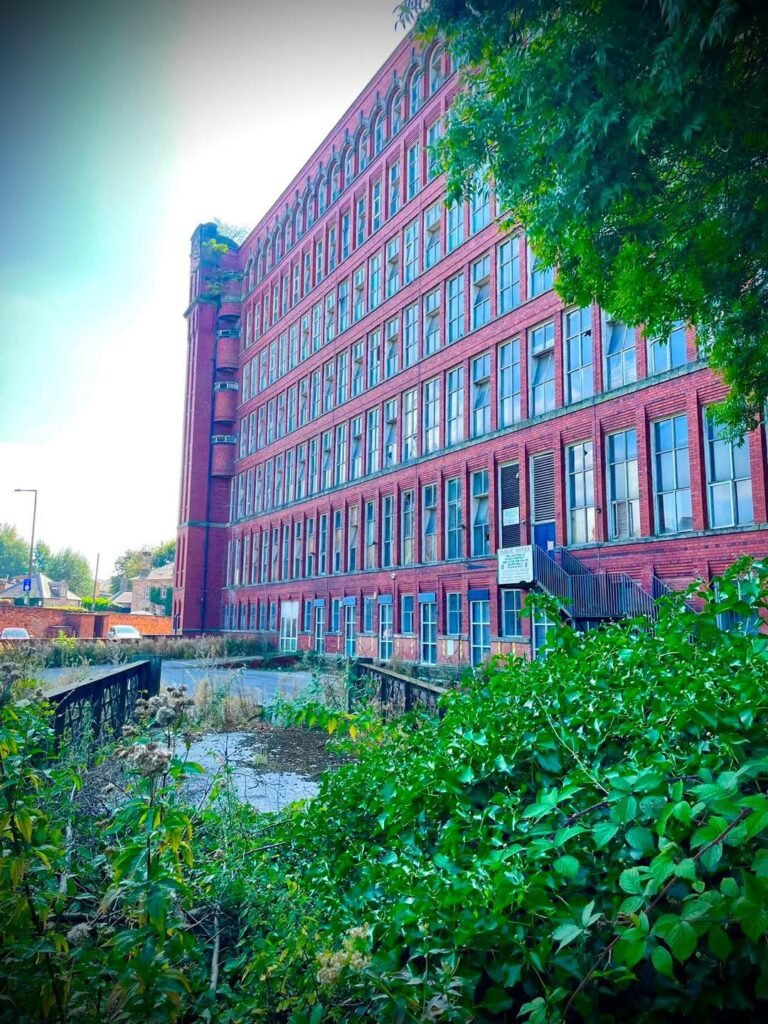
Before undertaking any demolition in Bristol, it is crucial to be aware of the regulations set forth by Bristol City Council. One of the primary requirements is to provide at least six weeks’ notice to the council’s building control.

Section 80 Demolition Notice
Section 80 demolition notice is a formal notification mandated by the Building Act 1984. This notice is required for the intended demolition of a building, or part of a building, with a cubic content exceeding 50 cubic metres.

Demolition Risk Management
Before any demolition work begins, detailed assessments are mandatory. These evaluations identify potential hazards, underpin safety measures, and determine the most appropriate demolition methods.
House Demolition Costs
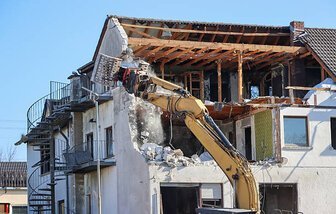
For a small detached house, which is generally around 80-120 m², you can expect to pay an average of £7,500. The price may increase if the house is larger or if additional services, such as site clearance and waste disposal, are required.

Pre-Demolition Surveys
They adhere to regulatory compliance, ensuring that the risks associated with asbestos are managed effectively. A thorough understanding of hazardous materials is essential for the safety of both the workers and the environment.

Managing Asbestos In Demolition
Asbestos, when disturbed, can pose severe health risks, making it essential to identify and manage it appropriately before any demolition work begins. This involves conducting comprehensive pre-demolition surveys to pinpoint the presence
Safety Protocols In Demolition
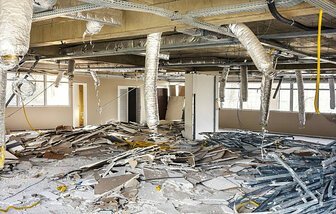
To prepare for a successful demolition, extensive advance planning is crucial. This involves assessing the site and making informed decisions about the methods and equipment required.
Pre-Demolition Process
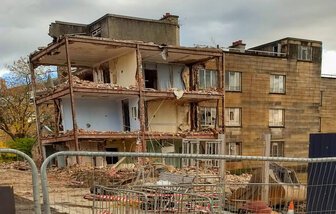
To prepare for a successful demolition, extensive advance planning is crucial. This involves assessing the site and making informed decisions about the methods and equipment required.
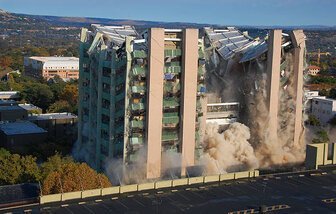
How long does the demolition process take?
For smaller residential structures, such as typical houses, the total time for demolition usually ranges from one to two weeks. This relatively short timeframe covers not only the physical demolition but also includes preparatory and post-demolition activities.
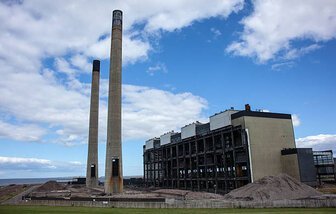
When do the CDM Regulations apply?
The Construction (Design and Management) Regulations, commonly referred to as CDM Regulations, play a crucial role in ensuring safety within the construction sector.
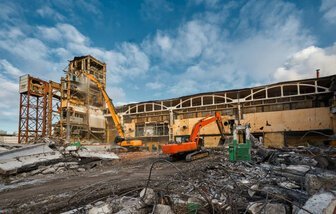
Demolition Methods Explained
One of the prevalent demolition methods used in Bristol is soft stripping. This process entails the careful removal of non-structural elements such as fixtures, fittings, and finishes. By stripping a building of its superficial components before heavy machinery is introduced, soft stripping
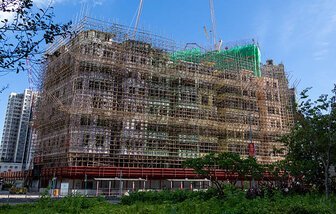
Managing Waste In Demolition
The UK’s waste hierarchy encourages efficient waste management, prioritizing prevention, reuse, and recycling. By adhering to these principles, businesses can minimize their environmental impact and contribute to a circular economy.
Ready to start your project?
Let's Work Together
If you’re looking to initiate a project, you’re in the right place. To get started, please complete the form provided below. Share your project details, and our dedicated team will review your requirements promptly. Our goal is to offer tailored solutions that cater specifically to your needs.
Once we receive your submission, you will receive a confirmation email. We encourage you to check all your email boxes to ensure you don’t miss our response. Our team is committed to promptly reviewing your project details, whether it involves a small-scale endeavor or a large-scale development.
Direct Submissions for Faster Quotes
If you already have a project in mind and would like to receive a direct price quote, please feel free to send us your project documents and any relevant photographs at projects@completeuk.uk. We will meticulously evaluate these documents and provide you with a competitive quote along with a clear timelines for the entire process—from inception to completion.