
Understanding Section 80 Demolition Notices in Bristol
A Section 80 demolition notice in Bristol is a formal prerequisite for demolishing buildings exceeding 50 cubic metres, as mandated by the Building Act 1984. This notice ensures local authorities can oversee the demolition to prevent safety hazards and environmental impacts. Compliance with this notice is crucial for community safety and proper assessment of demolition implications. The application process is straightforward, requiring documentation about the building's size and intent for demolition. This guide outlines the importance, process, and compliance measures associated with obtaining a Section 80 demolition notice in Bristol.
What is a Section 80 Demolition Notice?
In Bristol, a Section 80 demolition notice is a formal notification mandated by the Building Act 1984. This notice is required for the intended demolition of a building, or part of a building, with a cubic content exceeding 50 cubic metres.
It serves as a crucial step in ensuring that the local authorities are aware of and can monitor potential safety and environmental impacts associated with demolition activities.
Importance of Compliance
Obtaining a Section 80 demolition notice is not just a legal requirement; it is essential for maintaining public safety in the community.
The notice allows local authorities to assess the building’s condition and the implications of its demolition. Without this notice, demolition may proceed without proper oversight, leading to potential hazards and disruptions in surrounding areas.
Process for Obtaining a Notice
The process for obtaining a Section 80 demolition notice in Bristol involves submitting an application to the local authority. This application should include details regarding the building to be demolished, along with any relevant documentation that verifies the cubic content exceeds 50 cubic metres.
Upon review, local officials will issue the notice, allowing demolition to proceed in accordance with established regulations and safety standards.
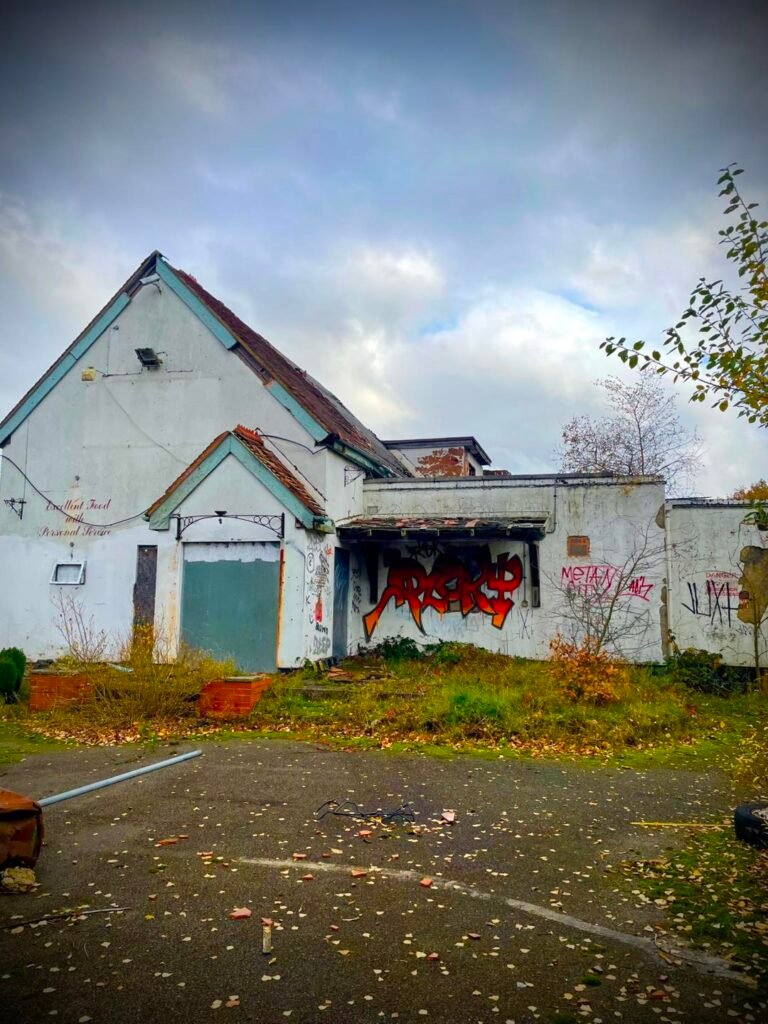
How much notice do I need to give the local council?
Importance of Public Safety and Precautions
When a Section 80 demolition notice is issued, it is designed to ensure that all necessary precautions are taken to safeguard public safety. The notice mandates that the demolition work complies with specific safety standards and protocols. This oversight is essential in preventing accidents and ensuring the environment is not adversely affected by dust, debris, and other demolition-related issues.
Role of Bristol City Council’s Building Control Team
The Bristol City Council’s building control team plays an integral role in managing the demolition process through the activation of a Section 80 demolition notice. This notice not only outlines the expected procedures but also provides the council with the authority to impose a Section 81 counter-notice. This counter-notice allows the building control team to enforce conditions that must be followed during the demolition process. By doing so, they can effectively monitor and manage any potential risks related to the project.
Who Must Serve the Notice?
In terms of responsibility, the owner of the building is primarily tasked with serving the Section 80 Notice. However, if the demolition is to be carried out by a contractor, this contractor must also ensure that the notice has been submitted. It is important that the notice is served properly to avoid any legal complications, as failure to do so may lead to enforcement actions from the local council.
Consequences of Not Serving the Notice
If a Section 80 Notice is not served before demolition begins, the demolition work could be deemed unlawful. This could result in the local authority taking enforcement actions which might include fines, required restoration of the site, or even criminal charges in severe cases. Therefore, both the property owner and the contractor should ensure that the notice is properly filed at least 6 weeks before the intended demolition date to comply with the regulations.
Timing Requirements for Submission
One of the critical aspects of the Section 80 Notice is the timing of its submission. It is imperative that this notice is submitted to the local authority at least six weeks before the demolition work is planned to begin. This six-week period allows the council to assess the proposed demolition, address any concerns, and issue a counter-notice if necessary.
Commencing Demolition Work
Demolition work must not commence until the council has issued a counter-notice or the six-week period has elapsed. This regulation is crucial to ensure that proper assessments are made and that safety standards are upheld during the demolition process. Failure to comply with the timing requirements can result in delays, additional costs, and potential legal issues.
In conclusion, understanding the timing of the Section 80 Notice is vital for anyone planning demolition work. By adhering to these guidelines, you can help ensure a smooth demolition process while maintaining compliance with local regulations.
When is a Section 80 Notice Not Required?
There are specific circumstances under which a Section 80 Notice is exempt. Notably, demolition works for buildings with a cubic content of less than 50 cubic metres do not require such notice. This is roughly the size of a large domestic garage, making it a practical exemption for homeowners undertaking small-scale renovations.
Additional Exemptions to Consider
Internal demolition work falls under another exemption, specifically when the building remains occupied and in use. This allows residents or tenants to proceed with necessary renovations without adding bureaucratic delays. Furthermore, demolitions mandated by a demolition order issued under the Housing Act 1985 are also exempt from requiring a Section 80 Notice.
Lastly, certain agricultural buildings are not subjected to this notification requirement, unless they are attached to a non-agricultural structure. Understanding these exemptions can save time and resources for property owners and facilitate timely project completions.

Planning and Legal Requirements
Before undertaking any demolition in Bristol, it is crucial to be aware of the regulations set forth by Bristol City Council. One of the primary requirements is to provide at least six weeks’ notice to the council’s building control.

Section 80 Demolition Notice
Section 80 demolition notice is a formal notification mandated by the Building Act 1984. This notice is required for the intended demolition of a building, or part of a building, with a cubic content exceeding 50 cubic metres.

Demolition Risk Management
Before any demolition work begins, detailed assessments are mandatory. These evaluations identify potential hazards, underpin safety measures, and determine the most appropriate demolition methods.
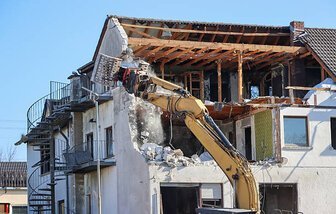
House Demolition Costs
For a small detached house, which is generally around 80-120 m², you can expect to pay an average of £7,500. The price may increase if the house is larger or if additional services, such as site clearance and waste disposal, are required.

Pre-Demolition Surveys
They adhere to regulatory compliance, ensuring that the risks associated with asbestos are managed effectively. A thorough understanding of hazardous materials is essential for the safety of both the workers and the environment.

Managing Asbestos In Demolition
Asbestos, when disturbed, can pose severe health risks, making it essential to identify and manage it appropriately before any demolition work begins. This involves conducting comprehensive pre-demolition surveys to pinpoint the presence
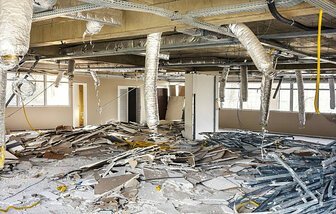
Safety Protocols In Demolition
To prepare for a successful demolition, extensive advance planning is crucial. This involves assessing the site and making informed decisions about the methods and equipment required.
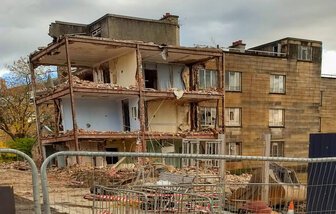
Pre-Demolition Process
To prepare for a successful demolition, extensive advance planning is crucial. This involves assessing the site and making informed decisions about the methods and equipment required.
How long does the demolition process take?
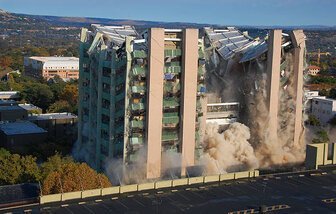
For smaller residential structures, such as typical houses, the total time for demolition usually ranges from one to two weeks. This relatively short timeframe covers not only the physical demolition but also includes preparatory and post-demolition activities.

When do the CDM Regulations apply?
The Construction (Design and Management) Regulations, commonly referred to as CDM Regulations, play a crucial role in ensuring safety within the construction sector.
Demolition Methods Explained
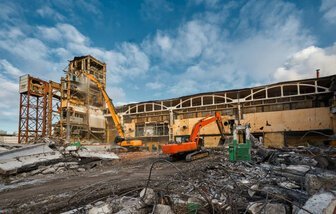
One of the prevalent demolition methods used in Bristol is soft stripping. This process entails the careful removal of non-structural elements such as fixtures, fittings, and finishes. By stripping a building of its superficial components before heavy machinery is introduced, soft stripping

Managing Waste In Demolition
The UK’s waste hierarchy encourages efficient waste management, prioritizing prevention, reuse, and recycling. By adhering to these principles, businesses can minimize their environmental impact and contribute to a circular economy.
Ready to start your project?
Let's Work Together
If you’re looking to initiate a project, you’re in the right place. To get started, please complete the form provided below. Share your project details, and our dedicated team will review your requirements promptly. Our goal is to offer tailored solutions that cater specifically to your needs.
Once we receive your submission, you will receive a confirmation email. We encourage you to check all your email boxes to ensure you don’t miss our response. Our team is committed to promptly reviewing your project details, whether it involves a small-scale endeavor or a large-scale development.
Direct Submissions for Faster Quotes
If you already have a project in mind and would like to receive a direct price quote, please feel free to send us your project documents and any relevant photographs at projects@completeuk.uk. We will meticulously evaluate these documents and provide you with a competitive quote along with a clear timelines for the entire process—from inception to completion.